Saving plays a major role in preparing to buy a first home, but there’s more involved than just pulling together your deposit. To avoid getting caught out by additional expenses, read our guide on what to include in your budget as a first home buyer.
When it comes to buying your first home, the one number you always hear about is your ‘deposit’. How much you need for a deposit and how to save for a deposit. What lenders want when it comes to your deposit and what to do if you don’t have enough for your deposit.
Despite the importance of this number – and it is important – it’s often given so much focus that we miss the other things we need to budget for as first home buyers. At Stapleton Finance, we regularly speak with first home buyers who have done the hard work saving for a deposit. Unfortunately, they then discover there are other financial realities to add to the to-save-for list.
Here’s what we tell our clients to prepare for in their budget as first home buyers.
Stamp duty is a state government tax that comes into play when there’s a property transfer. This means that if you buy a property, you’ll be responsible for paying stamp duty. And because it’s calculated on the purchase price or market value, it can be a significant amount of money.
Stamp duty rates aren’t a straight percentage. They’re set by the relevant state government based on bands of house prices and a formula per band. If your home is in Queensland, you can find current transfer duties on the Queensland Revenue Office website.
At the time of writing, if you’re a first home buyer in Queensland buying an established home to live in as your primary residence, and the cost of the home is $1,500,000, your stamp duty will be nearly $67,000. If your home is $1 million, stamp duty will be over $38,000. Even if your home is $800,000, you’ll be on the hook for almost $22,000. This is certainly something to budget for!
Of course, as a first home buyer, you also have access to significant government concessions. This includes paying no stamp duty on homes under a certain threshold.
Get in touch with our team – we can help you access first home concessions so you can make your next move to home ownership.
You’ll need to pay a government fee for registering the title of your property, which at the time of writing is $231.98. Unlike other costs you’ll need to budget for as a first home buyer, this isn’t based on house price but is a flat fee.
In Queensland, the transfer fee is often referred to as ‘transfer duty’, but keep in mind it’s different to stamp duty (which is sometimes referred to as a ‘transfer tax’). The transfer fee is levied by the Queensland state government to cover the cost of transferring the title of your new home. It’s calculated on the purchase price of your property.
At the time of writing, if you buy a home for $1.5 million, your transfer fee will be $5,981.90. If you buy a home for $1 million, it will be $3,803.90. And if you buy a home for $800,000, it will be $2,932.70.
Many first home buyers don’t realise that they should make sure their insurance is in place the moment they buy the property. This is when your ownership, and therefore control and responsibility, of the property comes into effect, even if you aren’t living in the home yet.
Any time where you have ownership of your property, you want to make sure that your home and contents aren’t at risk from things like floods, fires, theft, storms, vandalism or any other type of property damage.
When it comes to the cost of insurance, this is highly variable. You may need a straightforward home and contents insurance plan, or something a little more specific to your home. The cost will depend on your home’s location, flood risk, bushfire risk, replacement costs and the like. Regardless, insurance is another fee you should include in the budget for first home buyers.
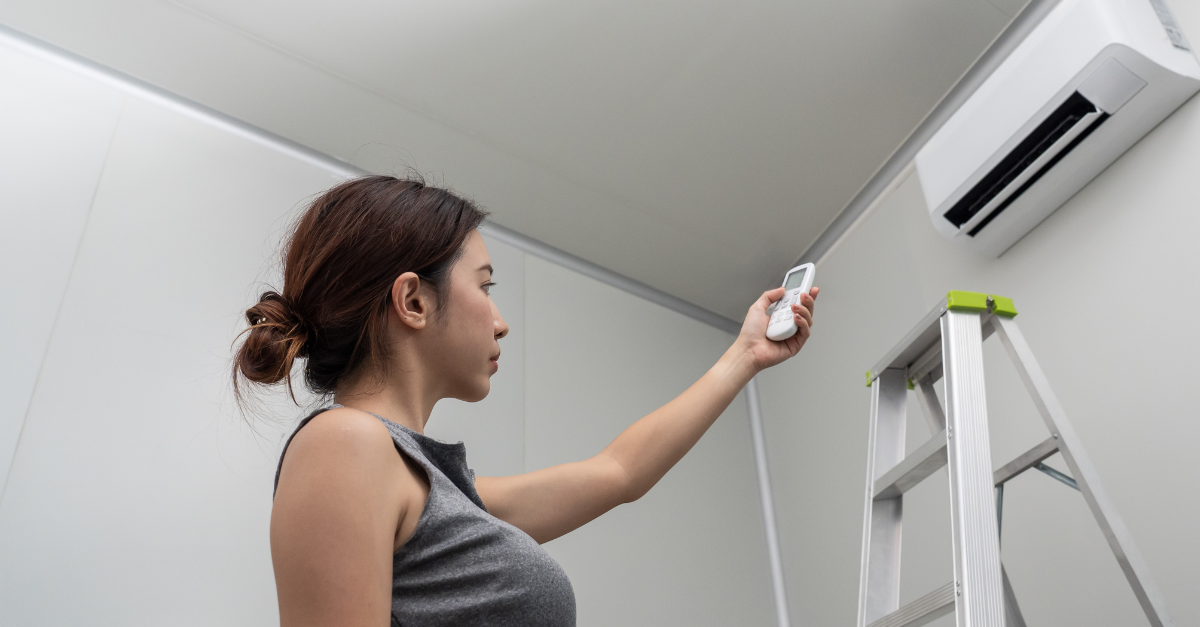
If you were previously a long-term renter, you may need to make a mindset shift – you’re now your own landlord. As a renter, if something broke you could call someone to fix it and your landlord would cover the cost. But now, the financial responsibility is on you.
When you move into a new home, there may be things that need fixing or updating. For example, a new hot water system, appliances or electrical outlets. And you’ll need to have the funds to cover that yourself.
It’s a good idea to set aside a maintenance/update buffer when you buy your first home. This will prevent unexpected repairs and fixes from becoming a major financial stress.
Bills arrive whether you’re ready or not. Depending on your location and property type, you might need to budget for:
These can add hundreds, sometimes thousands, of dollars per year to your true ownership costs.
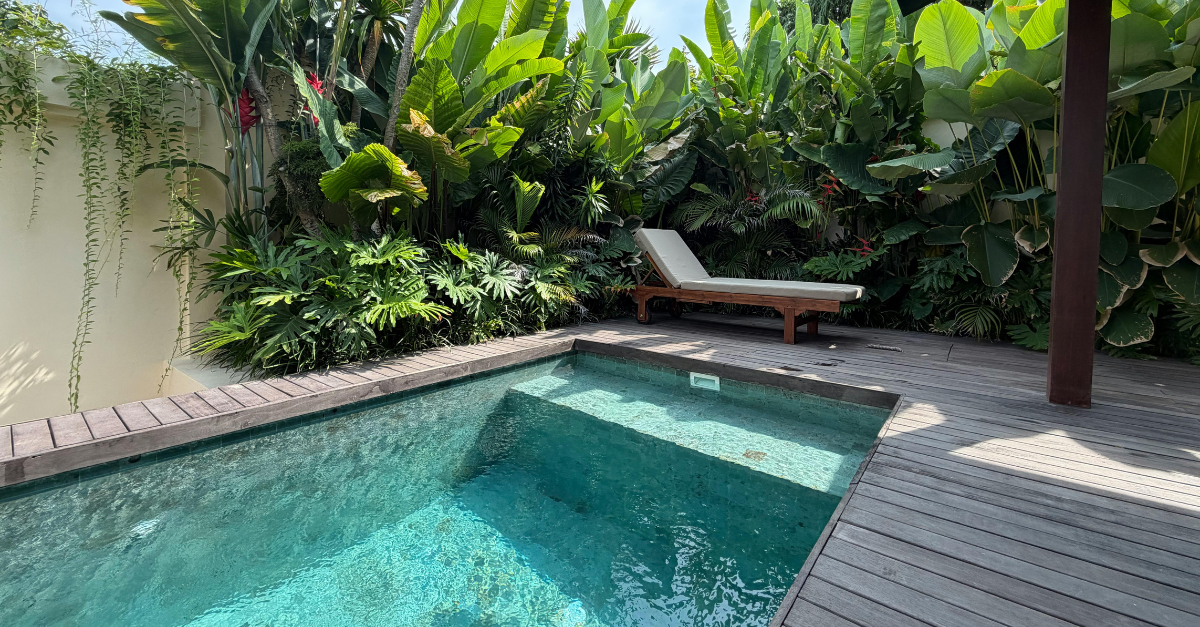
The lifestyle features of your home may have been the reason you fell in love with it. Think a swimming pool, spa, underfloor heating in the bathroom or a large, lush garden. These are all wonderful features, but maintenance does come at a cost.
Pools require chemicals and cleaning, and may also increase your insurance. Underfloor heating leads to a higher energy bill. An elaborate garden might mean you need to pay for lawn care, irrigation and seasonal maintenance, especially during storm season.
These costs can add up so it’s wise to be prepared and include them in your budget for first home buyers.
First home buyers can be caught off-guard by the costs that arise soon after settlement. While most plan for moving trucks or removalists, they might not consider the additional items they need to make the home liveable.
This could include extra furniture, particularly if you’re moving from a unit into a home, or appliances that need replacing. It’s easy to underestimate how quickly these add up.
Property prices are high right now. It’s just the market we’re in. And when you’re paying such an eye-watering sum of money for a property, it might make you feel under pressure to find the ‘perfect’ home.
But it’s important to remember that most home buyers don’t stay in their first property long term. This means that your first home doesn’t need to be perfect – it just needs to get you into the market. Ideally, this home will be your springboard towards your perfect home in the future.
Reflect on your must-have features and the features you can be flexible on. Being willing to compromise, while also taking advantage of concessions and government schemes, you’ll be in a good budget position as a first home buyer.
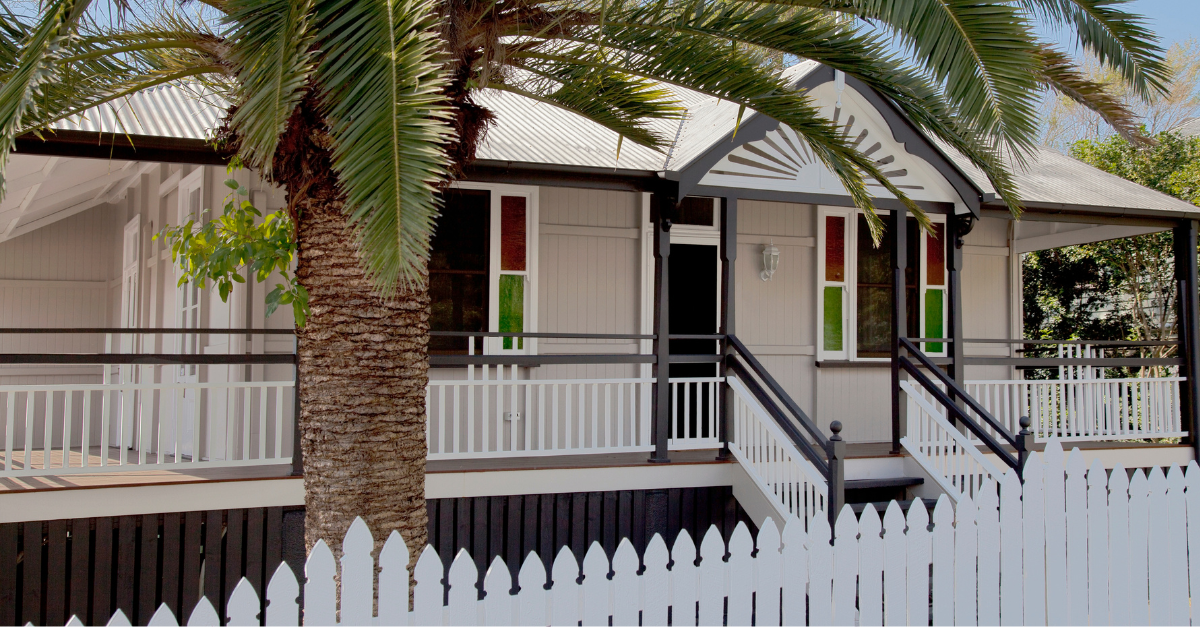
Buying your first home isn’t just about having the deposit ready. It’s about understanding all the costs that come with the home ownership package so there are no surprises after settlement.
Having a solid budget can make all the difference for first home buyers. By preparing for additional costs such as stamp duty, insurance and rates, you’ll make the home buying process a lot smoother.
If you’re ready to get your budget in order and secure your first home, we’re here to help. Get in touch with our team today.
Ready to take the first step towards home ownership? Reach out to Stapleton Finance.
Article summary The First Home Guarantee 2025 brings major changes for Queensland buyers, including higher property caps, unlimited places and no income limits. Combined with state grants and stamp duty exemptions, these updates make entering the property market more achievable than ever. Find out more in this article. In this article A quick refresher – […]
Read MoreExperts believe that 2025 might be a good year to get in quick and buy a new home – particularly as a first home buyer. Interest rates are likely to decline somewhat. Though some areas are still growing, across Australia housing prices have decreased, for example, down 0.17 percent in December. Experts also believe that […]
Read MoreFor first home buyers in Queensland, there’s been some very good news in the property arena recently. This means that 2025 is shaping up to be a year of exciting opportunities. One of these is that recent changes to Queensland’s policies for first home buyers means you can now rent out a room in your […]
Read More